Thinking about buying a small flex building in Tomball? Our step-by-step guide covers financing, corridors, building specs, zoning, utilities, inspections, leases, and closing.
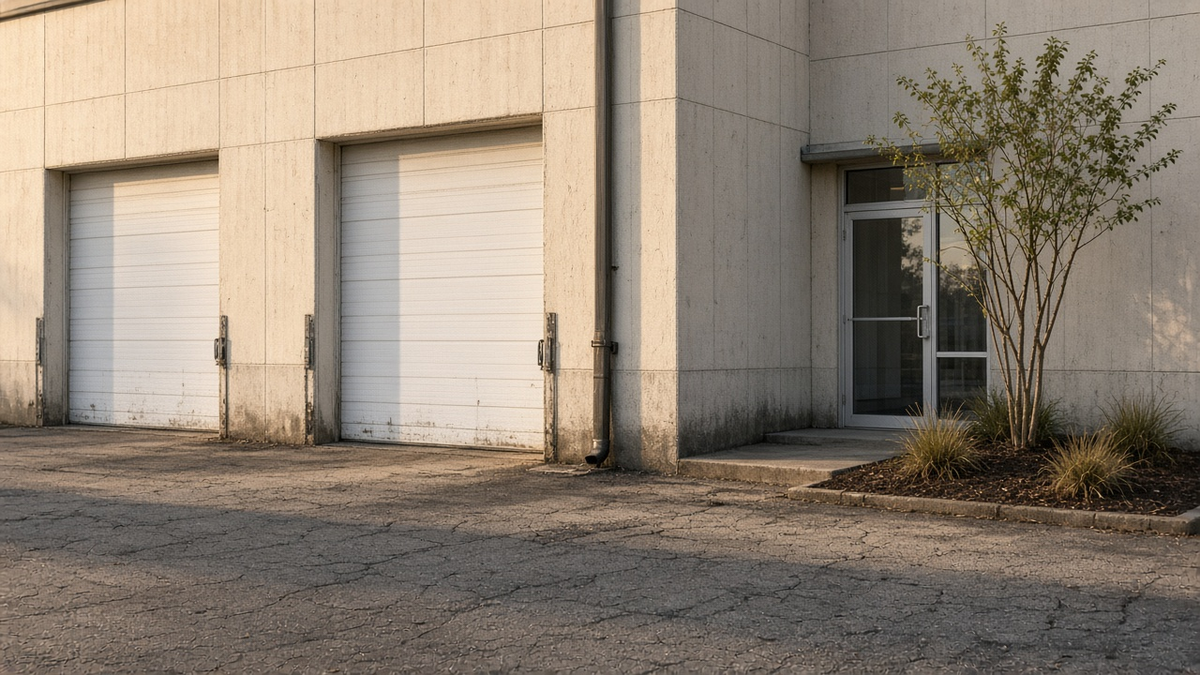
A small flex building is the workhorse of Tomball's commercial side: a little office and showroom up front, open shop or warehouse space behind, and a few overhead doors on the back. Contractors, distributors, small manufacturers, and local investors all hunt for them. Buying one is not hard, but the order matters. Here is how we walk clients through it.
This guide is for commercial buyers only. It is not about residential purchases.
Step 1: Define the user and the needs
Start on paper, not on a listing site. Will you occupy the building, lease it out, or do both? Write down what the business actually does inside: how many trucks come and go, whether you load from a dock or the ground, what you store outside, how much power your equipment draws, and how much of the space should be finished office.
If you plan to rent to others, think about the next tenant too. A building that fits only one very specific user can be harder to re-lease later.
Step 2: Line up financing early
Commercial loans do not work like home loans. Lenders usually care about the property, the business, and your financial picture, and owner-occupied buildings are often treated differently from investor buildings. Government-backed programs, including some SBA options, may be available for owner-users, but terms and eligibility vary.
Talk to a commercial lender before you write an offer, and ask what they will require: an appraisal, an environmental report, a survey, and lease paperwork for any tenants. Your CPA and attorney should weigh in too. We do not give financing advice, and rates and terms change.
Step 3: Pick the corridor that fits your trucks
Location in Tomball is mostly about access. FM 2920, SH 249, Business 249, and Spring Cypress Road each work differently for a flex user. Ask yourself how your customers and delivery drivers will reach the building, whether a big truck can turn in and out safely, and whether a median or traffic signal makes a left turn easy or painful.
Also find out who owns the road in front of the building. State highways, county roads, and city streets each have their own driveway rules, and the TxDOT access rules can limit what you can change later.
Step 4: Judge the building itself
This is where flex buildings differ most from each other. Walk the space with your own list:
- Clear height. Is there enough room under the roof structure for your racking, lifts, or equipment?
- Doors. Dock-high doors suit pallet and truck loading. Grade-level doors suit vans, work trucks, and vehicles driving inside. Check the door size too.
- Power. Ask what service the building has and whether it is single or three phase. Have an electrician and the electric provider confirm it matches your equipment.
- Office ratio. Too little office can strain a service business. Too much finished space may cost you warehouse room.
- Outside storage and yard. Is there fenced, paved, or graveled area for equipment and materials, and is that use actually allowed?
- Parking and truck court. Count the spaces, then picture a delivery truck backing in on a busy day.
Step 5: Confirm zoning and who has jurisdiction
Part of what people call Tomball sits inside the city limits, and part sits in unincorporated Harris County. Inside the city, zoning and development standards come from the City of Tomball, which now uses a Unified Development Code. Outside the city, the county generally does not zone land, and your protection is the recorded deed restrictions.
Ask the city to confirm in writing how the property is zoned and whether your use, including outside storage, is allowed. A new use may also need a new certificate of occupancy and permits for any build out. Our walkthrough of how industrial permits work in Waller shows how to sort out who reviews what, and the same habit applies here.
Step 6: Check utilities, flood, and detention
Find out who provides water and sewer. Inside the city it may be the city, while some tracts nearby rely on a municipal utility district or another provider. Ask about capacity, and confirm electric and gas service too.
Then look at flood status. Start with the FEMA flood maps and the Harris County Flood Control District resources, and ask your surveyor to show the flood zone on the survey. Ask who maintains any detention pond on or near the lot. The same habits we outline in our land due diligence checklist for Spring carry over to an existing building.
Step 7: Order inspections and a Phase I
Hire a qualified commercial inspector, and bring specialists when needed: a roofer, an HVAC technician, an electrician, and a fire protection company if the building has sprinklers.
Also order an environmental Phase I site assessment. Flex buildings have often housed auto work, chemicals, fabrication, or storage tanks. A Phase I performed to the federal all appropriate inquiries standard may help preserve certain liability protections for buyers, and many lenders ask for one.
Step 8: Review title, survey, and deed restrictions
The title commitment shows who owns the property and what is recorded against it. The survey shows where those things sit on the ground. Read every exception, including easements, shared drive agreements, and recorded restrictions that could limit outside storage, signs, or the type of business.
Step 9: Review leases for tenants in place
If the building comes with tenants, you are buying their leases too. Ask for every lease, amendment, and the rent roll, and review them with your attorney. Look at the term, renewal options, who pays taxes, insurance, and maintenance, how the security deposit transfers, and what the use clause allows. Ask the tenants to sign estoppel certificates confirming their lease terms.
Check how tenants display their names, since signs in Tomball may need approval. Our plain-English look at Tomball sign rules is a good starting point.
Step 10: Close with a clean checklist
Keep your feasibility period and earnest money terms in front of you, and do not let inspections or the environmental work drift past your deadlines. Before closing, confirm that objections to title and survey are resolved, utilities and insurance are ready to transfer, and keys, codes, and warranties come with the building. Do a final walkthrough, because buildings change between contract and closing.
If you want an experienced set of eyes on a small flex building before you commit, reach out to our team. We will walk the list with you and tell you what we see.
This article is general information, not legal advice. Rules, maps, and loan programs change, so confirm requirements with the City of Tomball, the county, the reviewing agencies, your lender, and a qualified Texas real estate attorney.