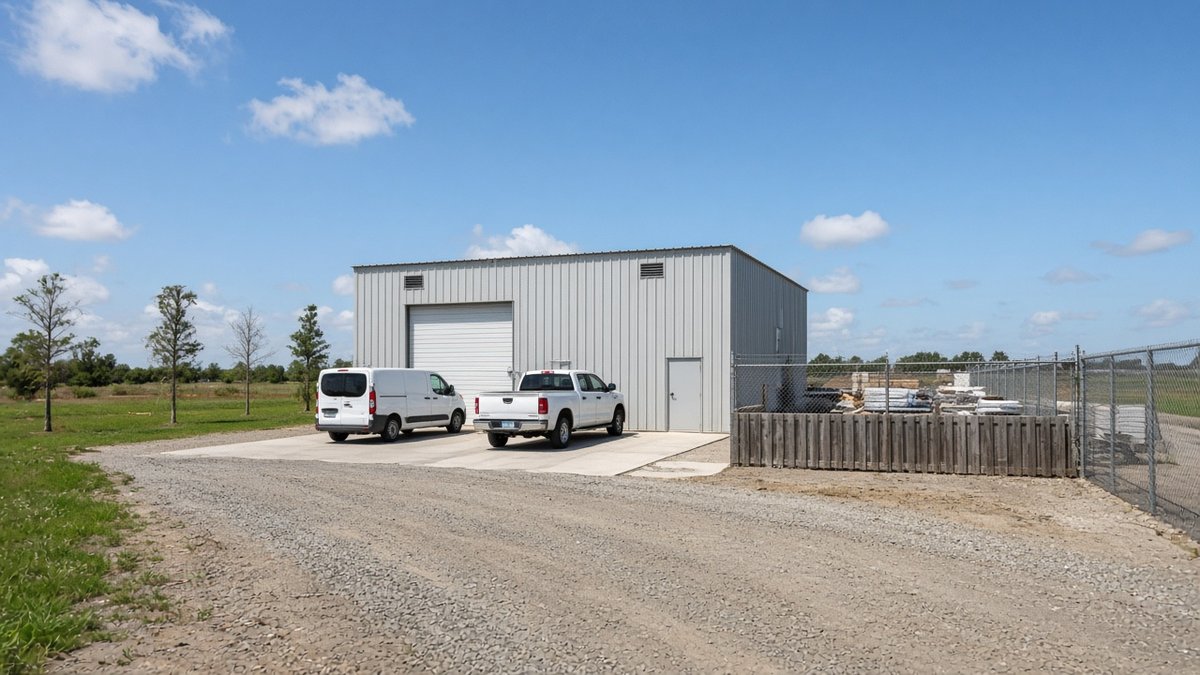
Building or expanding industrial space in Tomball? Here is what owners and occupiers should check first about City of Tomball site plan review, permits, drainage, and use rules.
Industrial deals in Tomball often turn on more than rent and bay size. If you are building a shop, expanding a yard, adding exterior storage, or changing how a building is used, you will usually meet the City of Tomball's site plan and permitting process before the first truck moves. Unincorporated Harris County projects nearby follow a different path, so knowing which jurisdiction you are in is the first fork in the road.
This guide is for owners, developers, and industrial occupiers who need a clear picture of what Tomball's review typically covers, and what to get straight before you spend money on plans.
Confirm you are inside the city
Tomball's city limits cover only part of what people casually call Tomball. Some industrial parks and freestanding shops sit in the city. Others sit just outside in unincorporated Harris County, sometimes with city utility service through an agreement, and sometimes without. Site plan rules, building permits, and who signs off can change at that line.
Before you hire an architect or civil engineer, ask the seller or landlord to confirm the jurisdiction in writing, and verify it against the city's maps or a title commitment. If the project is outside the city, do not assume Tomball's checklist still applies.
What a Tomball site plan review usually looks at
For industrial work inside the city, a site plan or related development review commonly focuses on how the whole property will function, not just the building footprint. Expect questions about:
- Building placement, setbacks, and how the structure sits on the lot.
- Driveways, truck circulation, and where trailers or work trucks will stage.
- Parking for employees and visitors, including accessible spaces.
- Drainage, detention, and how stormwater leaves the site.
- Landscaping and screening, especially along public streets and next to other uses.
- Utilities, fire access, and room for emergency vehicles to reach the building.
Industrial users often underestimate the yard. Outdoor storage, equipment parking, and material staging may need to be shown on the plan, and screening rules can affect how much of the lot you can actually use day to day.
Permits after the site concept is clear
Site plan approval is not the same as a building permit. Once the city is comfortable with how the site works, you still need permits for the building work itself: structure, electrical, mechanical, plumbing, and any fire protection the use requires. A shell warehouse, a shop with heavy power, and a build out that adds offices or restrooms each trigger different inspections.
- If you are leasing existing space, ask whether your improvements need a separate permit, who pulls it, and whether landlord approval is required first under the lease.
- If you are buying land or a vacant building, build permit timing into your closing and rent start dates. A calendar date that ignores review time is how projects start late and still pay rent.
Keep one person responsible for the permit package. Scattered emails between the tenant, landlord, architect, and contractor are a common reason Tomball reviews stall.
Use, zoning, and nearby deed rules
Even when the city allows industrial use in general, the specific lot may carry deed restrictions, park covenants, or association standards that limit outdoor storage, hours, signage, or exterior finishes. City approval does not waive private restrictions. Read both before you design a yard layout you cannot keep.
Also match the intended use to what the property can support. Fabrication, vehicle repair, chemical storage, and food related warehouse uses can each raise different building code and fire questions. Saying "industrial" on a listing is not enough for a permit plan.
Drainage and utilities deserve an early call
Northwest Houston sites live and die on drainage. Ask early how stormwater will be handled, whether detention already exists on the property, and what capacity remains if you pave more of the yard. Utility capacity matters the same way: three phase power, water for fire protection, and sanitary service can decide whether a shop works on that lot at all.
Bring your civil engineer into those conversations before you lock a purchase price or a lease rate that assumes everything is already in place.
How owners and occupiers should sequence the work
- Confirm city versus county jurisdiction.
- Confirm use rights under zoning and under any private covenants.
- Sketch truck flow, outdoor storage, and parking before detailed architecture.
- Ask the city which application path your project needs, and what drawings they expect in the first submittal.
- Align lease or purchase timing with review and permit schedules.
- Decide who pays for civil work, permit fees, and redesigns if the city asks for changes.
Owners preparing land or vacant buildings for industrial tenants can shorten the leasing timeline by getting a clear picture of what the city will require before listing. Our landlord representation work often starts with that question. Occupiers comparing yards and shops can browse current industrial and warehouse properties while they sort the permit path for each option.
Questions to ask before you spend on drawings
- Is this property inside the City of Tomball, or in unincorporated Harris County?
- Does the city expect a full site plan for my project, or a narrower building permit path?
- How will outdoor storage and truck staging be shown and screened?
- What drainage and utility capacity already exists on site?
- Who pulls permits, who pays fees, and when does rent or closing happen relative to approvals?
- Do deed restrictions or park rules limit anything the city would otherwise allow?
Tomball industrial projects move faster when the jurisdiction, use, and site constraints are clear before detailed design starts. If you are weighing a shop, yard, or warehouse project in Tomball, contact Place Realty Partners and we will walk through the site with you.