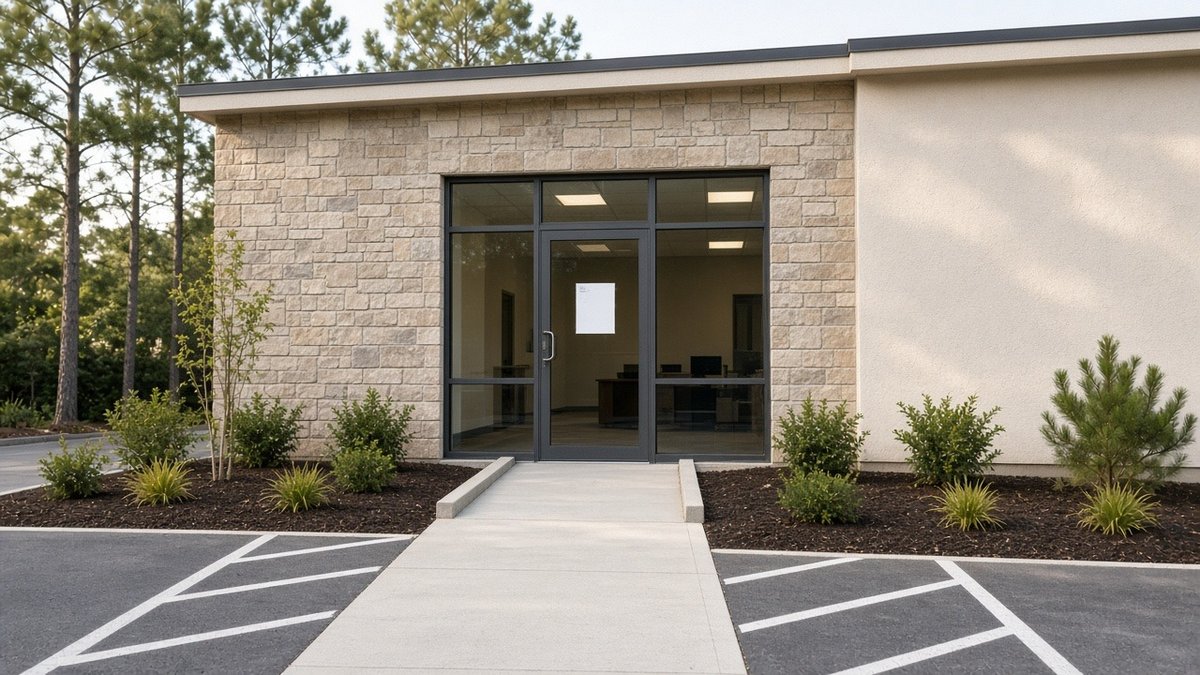
Leasing or buying office space in Tomball? Here is how certificates of occupancy, change of use, and fire marshal review can affect your move in plans.
Office space in Tomball can look move in ready on a tour. The carpet is down, the lights work, and the last tenant left the conference table behind. Before a new business opens its doors, though, the City of Tomball generally wants to know who is in the space and how it will be used. That is where the certificate of occupancy comes in, and it is a question we put on the table early in every office search or sale we handle north of Houston.
What a certificate of occupancy tells you
A certificate of occupancy, often called a CO, is the city's sign off that a building or suite meets the codes that apply to its use. Tomball's Building Division describes its job as code compliance for construction in the city, and its plan review covers commercial construction, fire and life safety components, remodeling, additions, and new commercial and tenant changeouts. That last item matters for office users, because a tenant changeout is exactly what happens when one business leaves a suite and another moves in.
The city's commercial building permit application spells out the order of operations on permitted work. Building finals come after the mechanical, electrical, and plumbing finals pass. The City Fire Marshal must approve the building before the final building inspection and the CO are issued. The city's fee schedule also states plainly that a certificate of occupancy must be issued before anyone moves into a permitted structure. We read that as a clear signal: do not plan a move in date around a space that has not cleared the city.
When a new CO may be needed
Many buyers and tenants assume that if a building has a CO, any office user can move in. That is not always true. The city's fee schedule lists a change in occupancy, covering both a name change and a use change, as its own item. The Tomball Fire Marshal's inspection form also says that change of occupancy and ownership inspections are requested through the SmartGov account on the city's Building Department website. So a new name on the door, a new owner, or a new kind of use can each bring the city back into the picture.
Situations where we slow down and ask questions include:
- A different kind of user: A suite built for general office that a buyer wants to use for medical, training, or assembly style space may fall into a different occupancy classification under the building code.
- Interior buildout: New walls, ceilings, restrooms, or electrical work usually means a permit, inspections, and a final before the space can be occupied.
- A new business name or owner: Even with no construction, the city may need its records updated before the new occupant opens.
- Vacant or older space: If a suite sat empty or was altered without permits, the path to a CO can take more work than the tour suggests.
The fire marshal's role
In Tomball, fire and life safety review is part of the building process, not an afterthought. The Fire Marshal's inspection form lists common contractor inspections such as fire alarm final, fire sprinkler final, and the Fire Marshal final inspection. For an office user, that means alarm devices, sprinkler coverage, exits, and access control can all come up once walls move or the use changes. The Building Division page lists the codes the city has adopted, including the International Building Code and International Fire Code, and those are the standards inspectors work from.
Questions to ask before you sign
Whether you are leasing a suite or buying a small office building, these are the questions we like answered early, ideally in writing:
- For the owner or landlord: Does the suite have a current CO for the use we plan, and can you share a copy along with recent permit and inspection records?
- For the City of Tomball: Does our planned use, name, or ownership change require a new certificate of occupancy or a change of occupancy inspection?
- For the fire marshal: Will our layout or use trigger fire alarm, sprinkler, or exit changes?
- For your architect or contractor: Which permits will the buildout need, and what inspections must pass before the final?
Rules and procedures change, so confirm current requirements directly with the City of Tomball Building Division and Fire Marshal for your address rather than relying on what applied to the last tenant.
Building the CO into the lease or purchase
Occupancy questions belong in the deal terms, not just the move plan. In a lease, tenants can ask who is responsible for getting the space to a condition the city will approve, who pays for code driven work, and what happens to rent if the CO is delayed. Our tenant representation team works these points into letters of intent so they are settled before a lease draft arrives.
Owners have their own side of this. A landlord with clean permit records and a current CO can market a suite with more confidence, and one who knows where a space falls short can price and plan around it. Our landlord representation work often starts with pulling that history together. Buyers can do the same during a feasibility period, since permit and occupancy review fits naturally beside title, survey, and environmental work. If your Tomball project also involves new construction on a larger site, our Hockley land plat review guide covers the earlier step of getting land ready to build.
A certificate of occupancy is one document, but it ties together the building, the fire systems, the use, and the people inside. Getting it right early keeps an office move on track. If you are weighing a Tomball office lease or purchase, talk with our team and we will help you line up the right questions for the city before you commit.