Towne Lake office space follows the households around the lake. Here is what we notice about who leases suites there, what the buildings look like, and why.
Drive Barker Cypress Road between US 290 and West Road on a weekday morning and you can read the Towne Lake office market from the car window. School traffic thins out, the coffee lines clear, and the parking lots in front of the small professional buildings start to fill. Towne Lake is a master-planned community in the Cypress-Fairbanks area of northwest Houston, built around a large private recreational lake and bordered by US 290, West Road, and Barker Cypress Road. The office demand here follows the people who live around that water.
This spotlight covers commercial office space only. It is what we notice on the ground, not advice about any single building.
Offices that follow the households
Most suburban office pockets grow up around a highway exit or a corporate campus. Towne Lake works differently. Here the offices lean on the households that live around the lake. That shapes who leases space here. The typical tenant is not a regional headquarters. It is a business whose clients live a short drive away and would rather not cross the county for a checkup, a tax return, or a sit down with a financial planner.
You can see it in the mix. Dental and pediatric practices, physical therapy, family medicine, and other outpatient care sit close to the families they treat. Insurance agents, accountants, title and closing work, attorneys who handle wills and small business matters, and financial advisors want an address their clients already pass on the way to the grocery store. Tutoring and learning centers, counseling and therapy practices, and small firms run by people who live nearby round it out.
What the buildings look like
The office stock around Towne Lake is small scale. Think single-story and two-story professional buildings, office suites tucked into or beside retail centers, and space near the waterfront where shops, restaurants, and offices share the same walk. The community itself promotes office suites alongside its waterfront shopping and dining, and that mix is part of the appeal. A client can park once, see the dentist, and pick up lunch.
Suites tend to be sized for a handful of people, not a whole floor. A solo practitioner might need a reception area, a couple of private offices, and a restroom. A dental or medical group needs more: exam or treatment rooms, a sterilization or lab area, extra plumbing, and power for equipment. A small professional firm usually lands somewhere in between, with a conference room doing double duty as a place to meet clients.
How the community shapes demand
A master-planned community changes the picture for an office tenant in a few ways. First, the client base is concentrated. When a large number of households live inside one connected set of neighborhoods, a practice that serves families can draw from a tight radius instead of advertising across the whole northwest side.
Second, the daily rhythm is predictable. Morning and afternoon school traffic, weekend activity around the lake, and evening errands set the busy hours. A pediatric dentist cares about that pattern. So does a tax preparer in the spring, when appointments stack up after the workday.
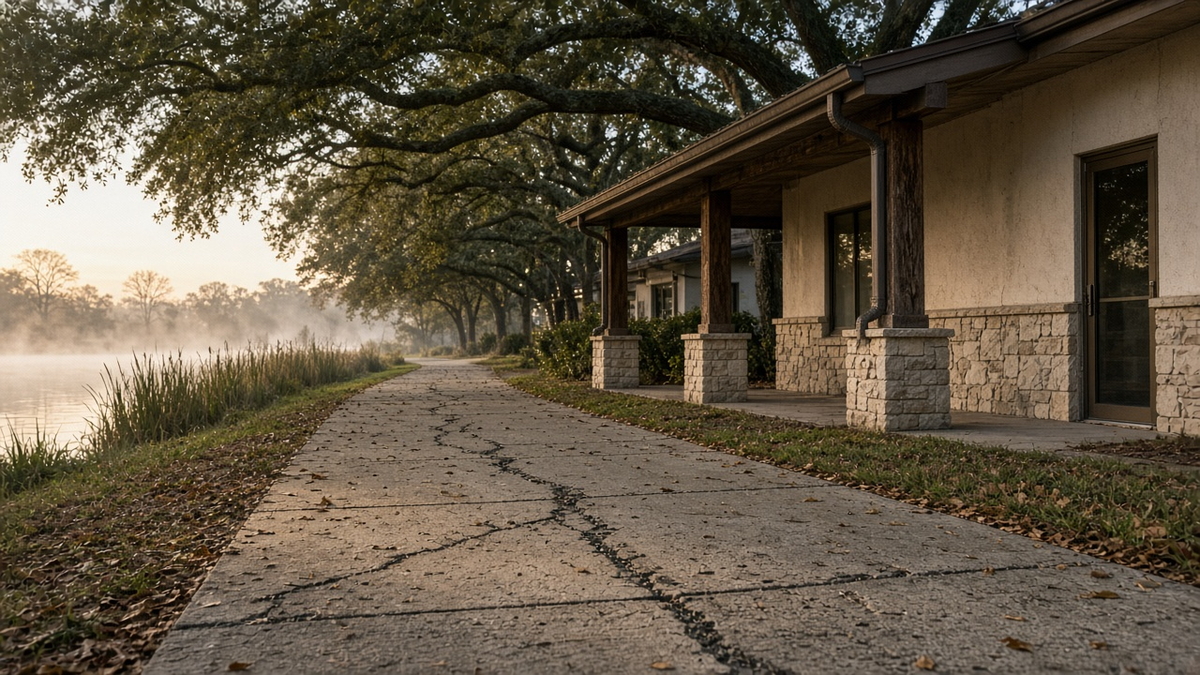
Third, the setting is part of the pitch. Some professionals want their office to feel like the neighborhood their clients chose, with trees, water, and walking paths nearby rather than a bare frontage road. In our experience, a well kept suite close to the community can lease more easily than a plain box farther out, though the exact spot still matters.
Finally, the US 290 corridor is right there. A firm based near Towne Lake can serve local clients and still reach the rest of the northwest suburbs and points closer in toward Houston. Space with visibility and an easy turn from Barker Cypress Road reads differently from space deeper inside the community, where it is calmer and parking is often simpler. Neither is better on its own. It depends on whether your clients find you by driving past or by appointment.
Who needs what
Medical and dental users are usually the most demanding tenants in a market like this. They need plumbing in the right places, enough electrical capacity, ventilation that fits the use, and parking close to the door for patients who may not walk far. A second-generation medical suite, already built out for a similar practice, can save real time and money if the layout fits.
Professional services firms need less infrastructure and more presentation: a clean reception area, a private conference room, quiet offices, and signage clients can find. Small firms serving residents often care most about flexibility, a shorter term, and a suite they can grow into without moving across town.
What owners notice
For owners, the takeaway is that the tenant pool is local and specific. Buildings that can handle medical plumbing and power, offer suites in the sizes small practices actually shop for, and keep landscaping and parking in good shape tend to hold their tenants. Owners who split a larger space into smaller suites sometimes find it matches demand better than waiting for one big user.
We saw some of the same patterns in our Champions office spotlight, with one big difference. Champions leans on established buildings and highway access. Towne Lake leans on the households next door.
Rules worth keeping in mind
Much of the Cypress area sits in unincorporated Harris County, inside the extraterritorial jurisdiction of the City of Houston. For office space in that setting, a build-out permit generally runs through the Harris County Engineering Department, fire code review may involve the Harris County Fire Marshal, and a municipal utility district often provides water and sewer. Recorded deed restrictions and any community design guidelines can also shape signs, exteriors, and uses. Medical users should expect state licensing and accessibility rules to come into play as well. Confirm each item for the specific suite.
If a space makes your short list, our Cypress office pre-lease checklist covers the building details worth confirming before you sign. Restaurant users face a different set of questions, which we walked through in our Towne Lake restaurant space guide.
Our view
Towne Lake office space is a neighborhood market. The tenants who do well here are the ones who serve the people living around the lake, and the buildings that do well make that easy: parking near the door, suites sized for small practices, and an address clients already know. If your business depends on local families, this corner of northwest Houston is worth a close look.
This article is general information, not legal advice. Lease terms, permit requirements, licensing, accessibility rules, deed restrictions, and fire code review vary by property and by jurisdiction and can change, so confirm them with Harris County, the relevant state agencies, and a qualified Texas real estate attorney before you sign.
Thinking about office space near Towne Lake? Talk with our team and we will walk the area with you.